We didn't start with software. We started with the science.
Founded by researchers who lived inside the problem, QMENTA is the platform they wished had existed. A decade later, it has helped rewrite a global diagnostic standard, runs across 250+ imaging sites, and has managed over 16 million files.
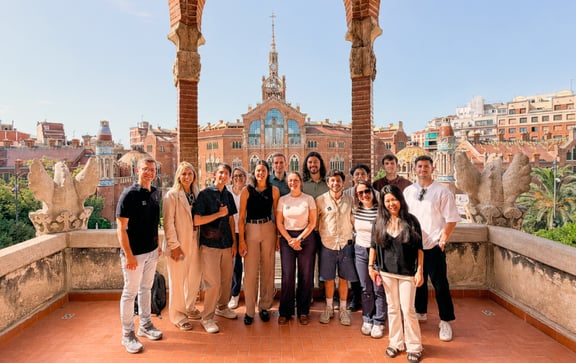
To make brain diseases a thing of the past.
Neurological diseases cause enormous suffering extended by slow, fragmented research systems. We exist to remove that friction.
Compressing the timeline between imaging and breakthrough.
Every week lost to operational failure is a week the science falls behind. We eliminate those losses through a data layer that makes imaging data immediately reliable, usable, and submission-ready.
Science with the tools that outpace diseases that steal memory, movement, and identity.
A world where the gap between discovery and clinical practice is measured in months, not decades, and imaging is the fastest path to that translation.
Built from a frustration we lived.
Our founders Vesna and Paulo spent their PhDs watching promising science stall at the last mile. Data trapped in silos, workflows rebuilt by hand, researchers carrying CDs between sites. In 2013 they decided to build the infrastructure they'd needed themselves, regulated and cloud-native from day one, not bolted on when an audit arrived.
Our mission is to turn imaging into a connected foundation for better diagnosis and faster therapies, so a promising idea can travel from research into clinical practice in years, not decades. The central-vein sign proves it: through the CAVS-MS trial it went from a single-vendor research sequence to part of the McDonald Criteria, the global standard used to diagnose MS in every major clinical trial worldwide.
That's what it looks like when imaging infrastructure stops being an obstacle. And with AI now built into the foundation, governed from day one, it's only getting faster.
"We're not building software. We're building the imaging platform that makes brain diseases a thing of the past. And we've already helped rewrite how one of them gets diagnosed."
Vesna Prchkovska, PhD · CEO & Co-Founder
QMENTA carries no pharmaceutical company investment. In regulated CNS and oncology trials, that independence is not a differentiator, it's a contractual and governance requirement. Your legal, compliance, and procurement teams will ask. The answer is clean.
Built for the regulatory environment your submission requires.
Vendor-neutral across GE HealthCare, Siemens, Philips, Canon, United Imaging, and any DICOM system
US Headquarters: 75 State Street, Suite 100, Boston MA · EU Headquarters: Carrer de la Ciutat de Granada 150, Barcelona
Trusted by leading sponsors, CROs, and academic medical centers


Executive Leadership
Founded by scientists. Scaled by operators. Governed by a board built for regulated, mission-critical technology.
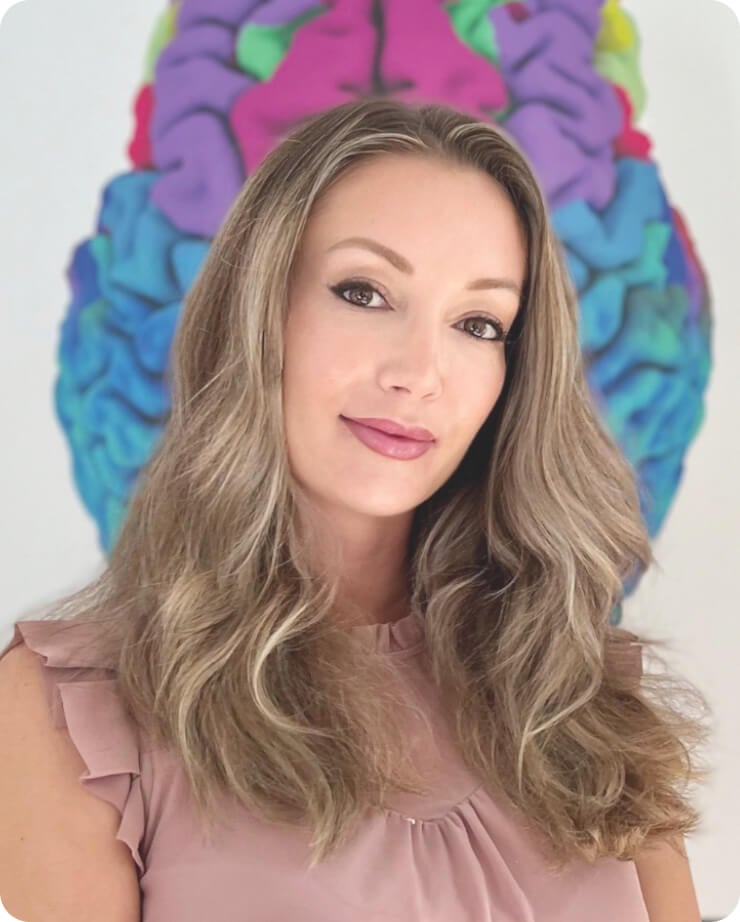
Vesna Prchkovska, PhD
Chief Executive Officer & Co-Founder
PhD in Biomedical Engineering, TU Eindhoven. Post-doctoral researcher, IDIBAPS; visiting researcher, Harvard Medical School. Research in diffusion MRI underpins the platform's core imaging AI. MIT Technology Review Innovator Under 35.
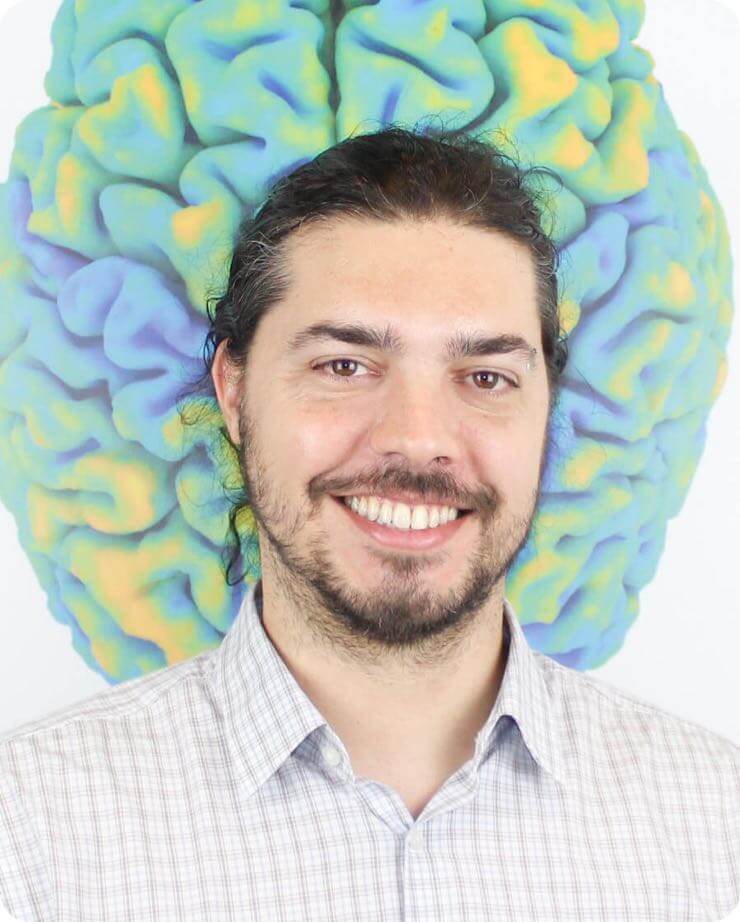
Paulo Rodrigues, PhD
Chief Technology Officer & Co-Founder
PhD in Neuroimaging, TU Eindhoven. Co-founded Mint Labs and led the architectural vision behind QMENTA's governed cloud environment, AI orchestration layer, and DICOM-native ingestion pipelines.
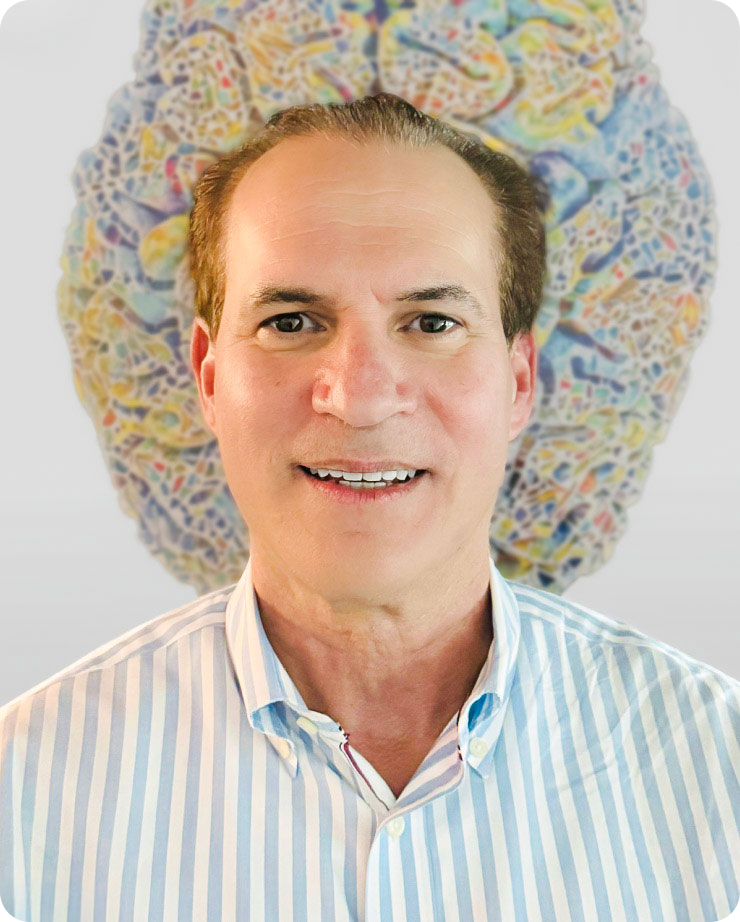
David Fogel
Chief Financial Officer
Oversees financial strategy, capital structure, and operational rigor across US and European markets. Background in growth-stage healthcare technology and enterprise SaaS finance.
Board of Directors
Vesna Prchkovska, PhD
Board Chair
CEO & Co-Founder, QMENTA
Paulo Rodrigues, PhD
Board Member
CTO & Co-Founder, QMENTA
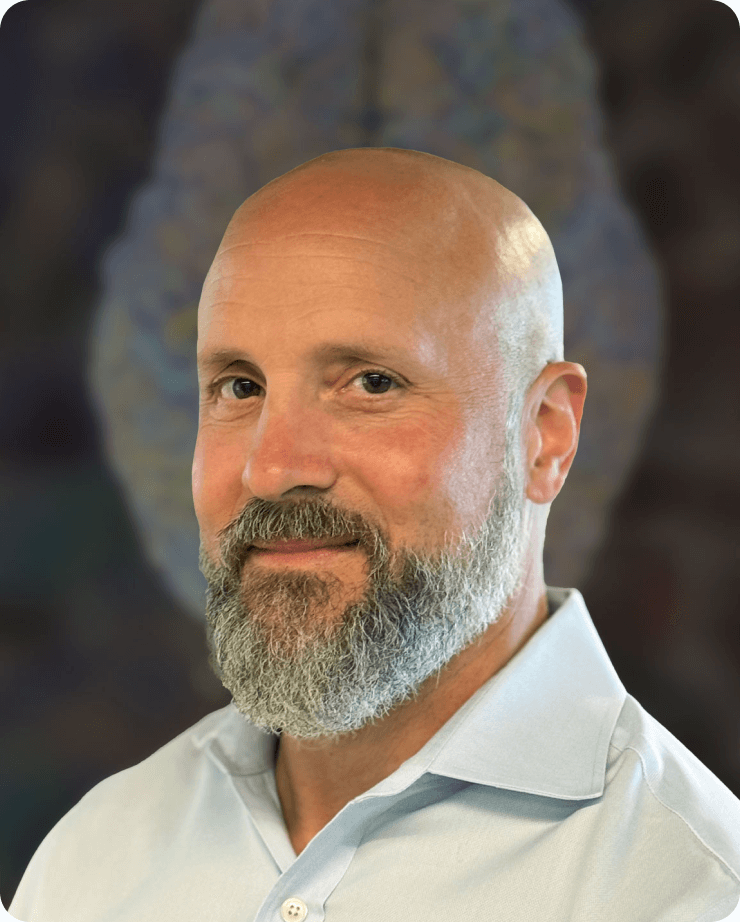
David Kaplan
Board Member
Managing Partner, Shepherd Kaplan Krochuk
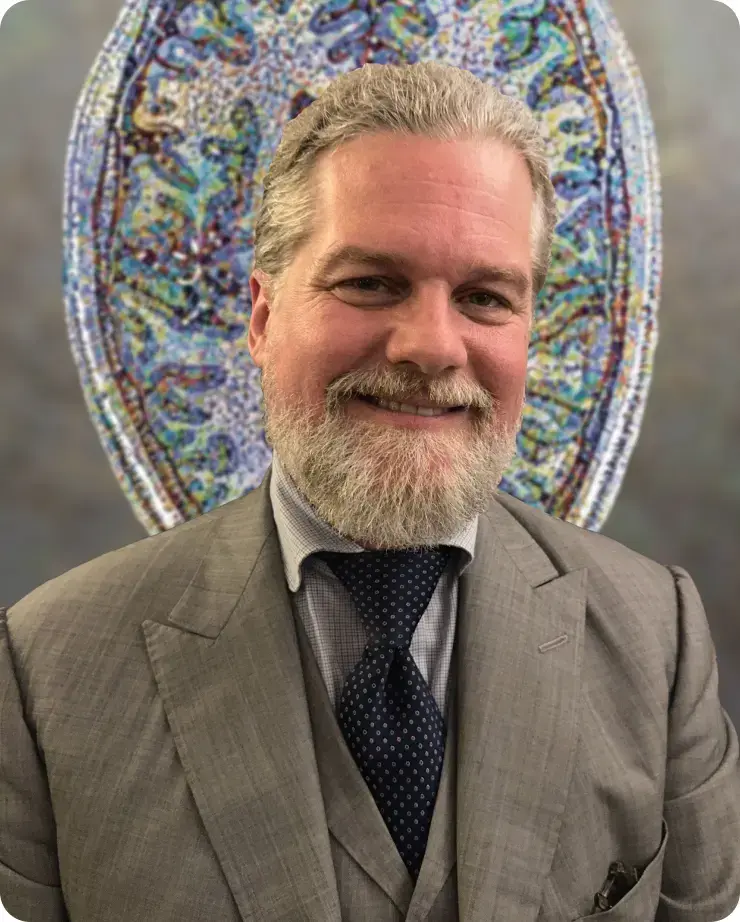
David Shepherd
Board Member
Managing Partner, Shepherd Kaplan Krochuk
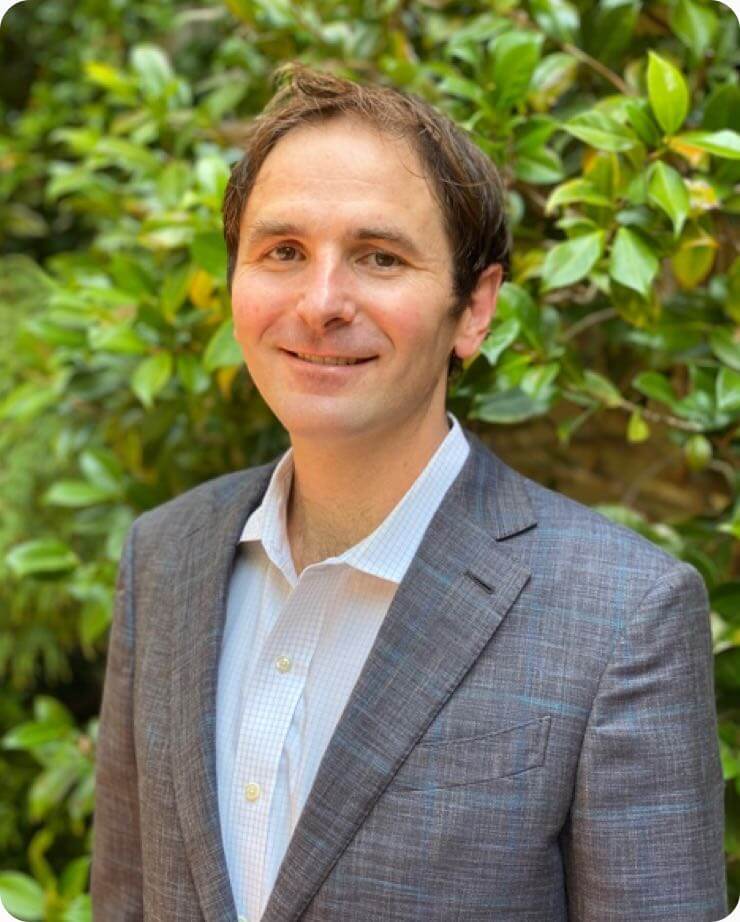
Peter Blaustein
Board Member
Managing Partner, PB Investment Partners
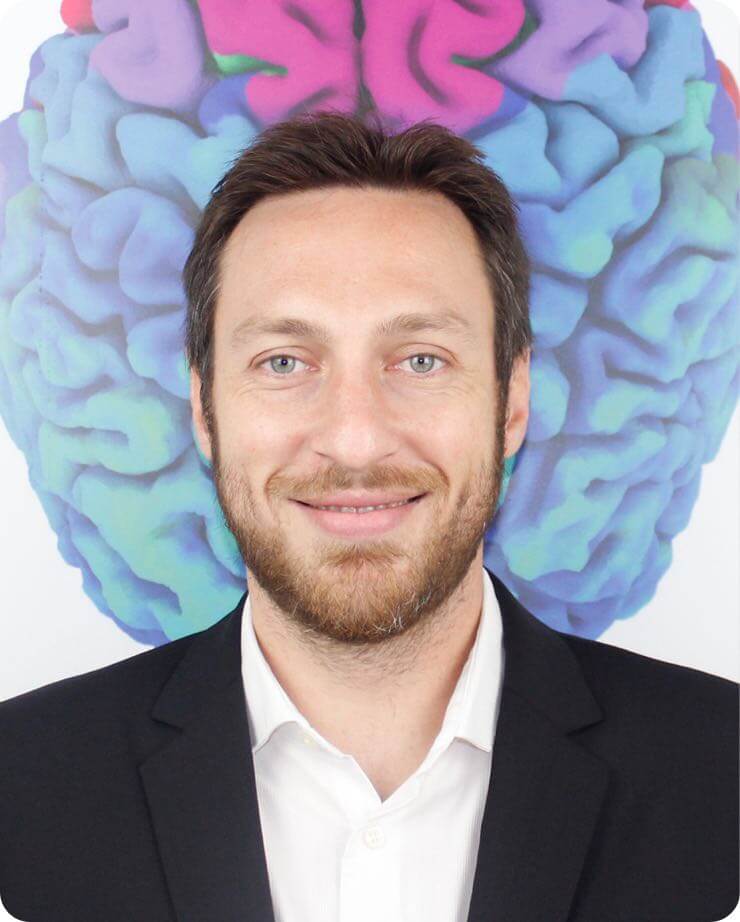
Landon McKenna
Board Member
Co-founder
Board Observers
Roy Berggren
Board Observer
Senior Partner Emeritus, McKinsey & Company
Michael Szalontay
Board Observer
Managing Partner, Flashpoint Venture Capital

John E. Kelly III, PhD
Board Observer
Former Executive Vice President, IBM
Yanev Suissa
Board Observer
Founder & Managing General Partner, SineWave Ventures
Roy Davis
Board Observer
Former Corporate Vice President, Johnson & Johnson
The expertise behind the platform.
QMENTA's advisors include a Nobel Laureate, Harvard Medical School faculty, senior McKinsey healthcare strategists, former GE Healthcare leadership, and clinical neuroscientists who've used QMENTA in their own research.
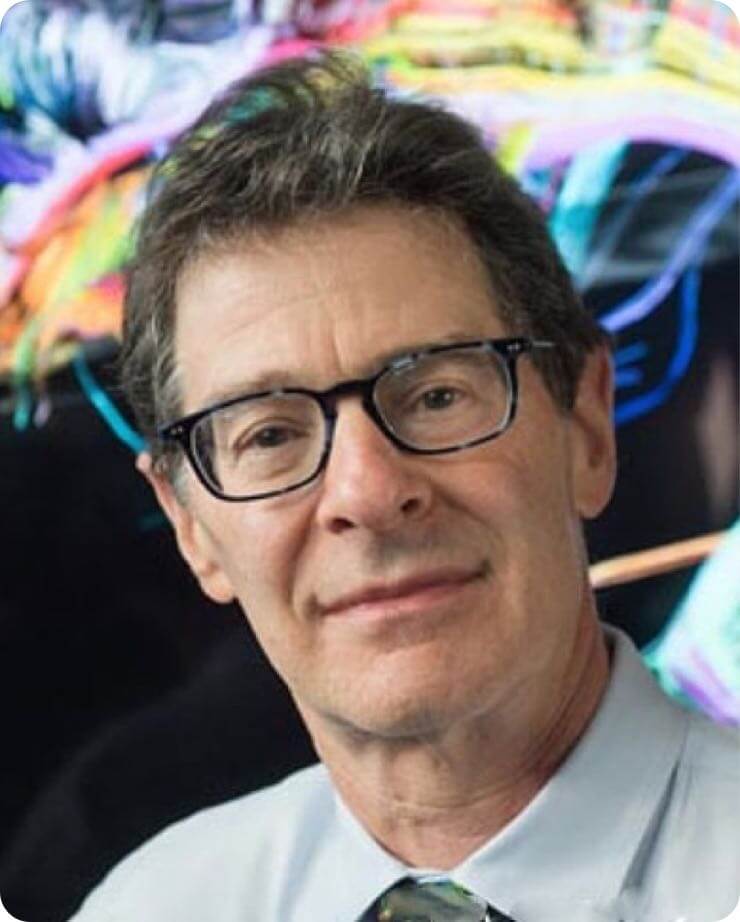
Bruce Rosen, MD, PhD
Scientific Advisor
Professor, Harvard Medical School

Walter Gilbert, PhD
Scientific Advisor
Nobel Laureate in Chemistry

Ajay Gupta
Strategic Advisor
Senior Partner Emeritus, McKinsey & Company
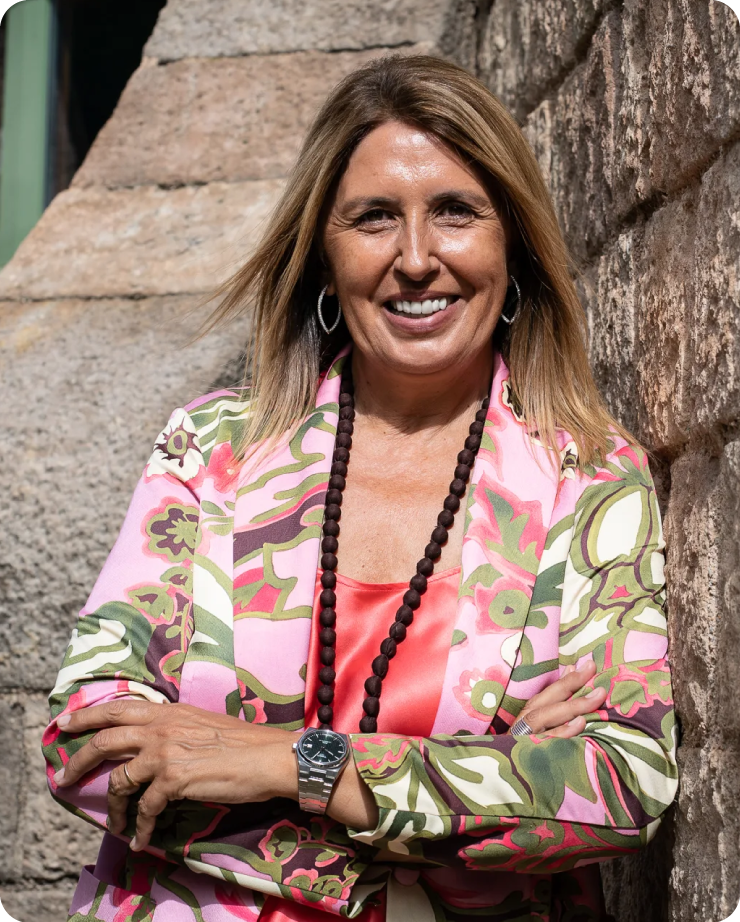
Montserrat Barceló, MD
Strategic Advisor
CRO Executive & Investor
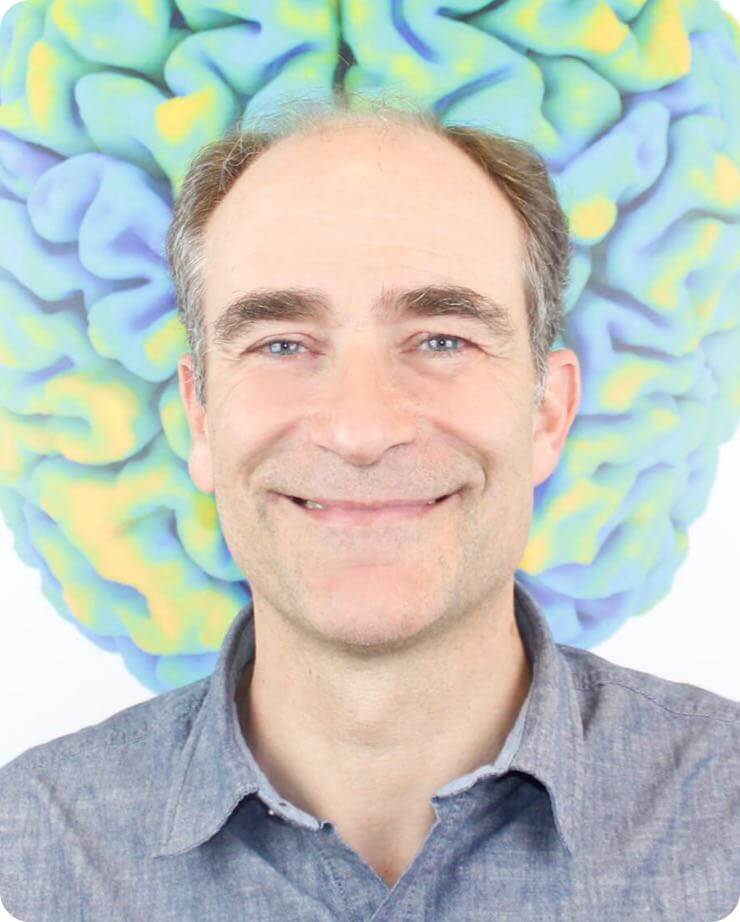
Pablo Villoslada, MD, PhD
Scientific Advisor
Clinical Neuroscientist

Glenn Thomas
Strategic Advisor
Former CMO, GE Healthcare
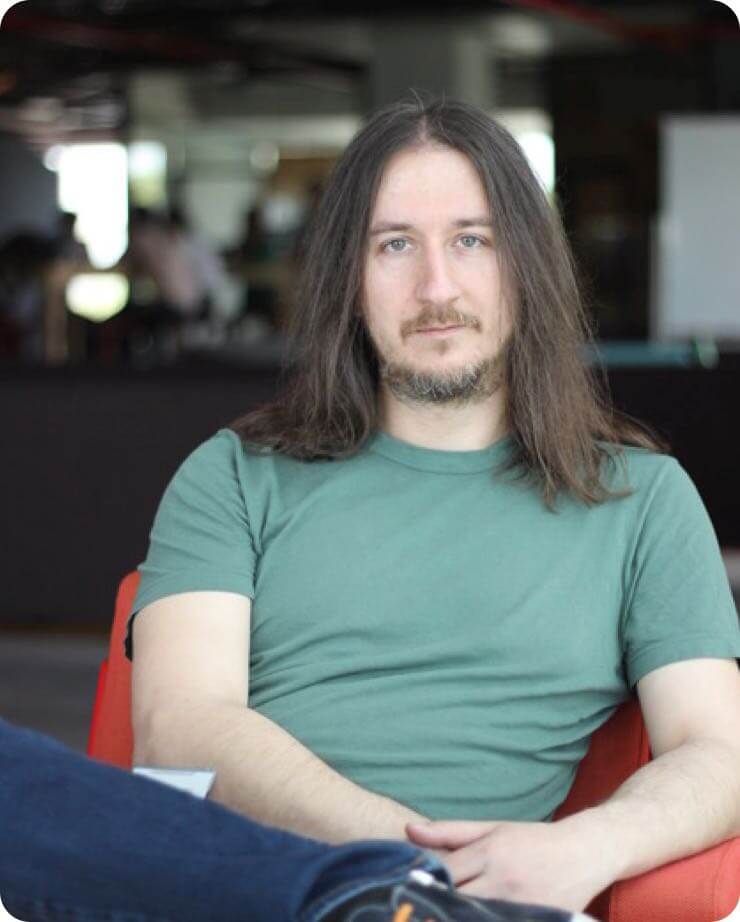
Igor Bogicevic
Technology Advisor
Serial Technology Entrepreneur
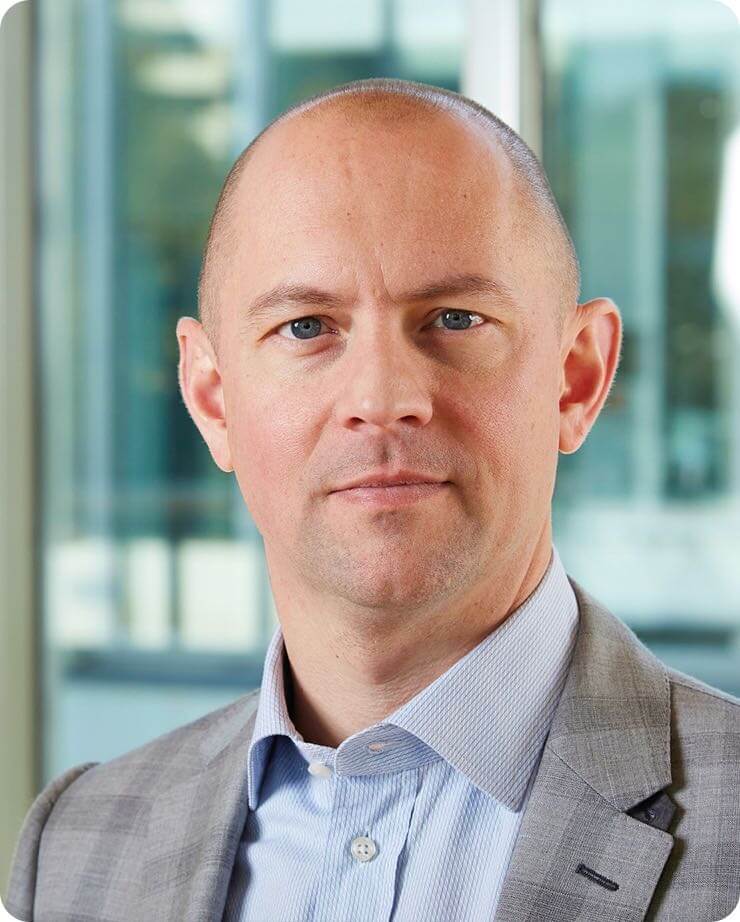
Chris Llewellyn, MD
Strategic Advisor
Healthcare Technology Advisor
Our science shows up in journals.
QMENTA is not a commercial overlay on third-party science. The platform was built by the researchers who published the work.
Lancet Digital Health · 2023
AI sensitivity 93.3% vs. 58.3% with standard radiology alone in MS lesion detection, validated across 397 real-world MRI pairs.
Potter et al. · n=397 real-world MRI pairs · Prospective multi-site validation
JAMA Neurology · 2013
18–25% patient misclassification rate with standard MS monitoring, the foundational finding that motivated the QMENTA platform's QC and harmonization architecture.
Sormani et al. · Foundational MS monitoring study
McDonald Criteria Revision · 2024
QMENTA's platform validated the Central Vein Sign biomarker now incorporated into the revised McDonald Criteria as the global standard for MS diagnosis.
CAVS-MS Trial · Cleveland Clinic · International panel revision
We're building the data layer that removes the bottleneck between imaging science and clinical impact.
If that's a problem worth solving, we'd like to talk, whether you're a potential customer, partner, or colleague.